A vehicle accident can create unexpected repair costs, transportation problems, and administrative stress for drivers. Vehicle insurance services can make the repair process easier by helping cover eligible expenses and guiding policyholders through the claims process. Depending on the policy and circumstances of the accident, insurance coverage may help pay for body repairs, replacement parts, mechanical work, towing, or other necessary services. Instead of handling the entire financial burden independently, drivers can work with their insurance provider to determine what costs may be covered. Understanding the details of the policy before an accident occurs can make the claims process more manageable and reduce uncertainty when repairs are urgently needed.
Simplifying the Claims Process
After an accident, one of the first steps is usually reporting the incident to the insurance provider. The insurer may request information such as photographs, accident reports, contact details for other drivers, and a description of the damage. Once the claim is opened, an adjuster may inspect the vehicle or review repair estimates to determine the extent of covered damage. Drivers may then take the vehicle to an appropriate repair facility, such as In N Out Oil & Tires, when mechanical inspection or related automotive services are needed. Having clear documentation and communicating promptly with both the insurer and repair facility can help prevent unnecessary delays throughout the process.
Coordinating Repair Estimates and Approvals
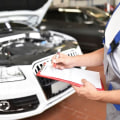
Insurance services can also make post-accident repairs easier by helping coordinate estimates and approvals. Repair shops typically inspect the vehicle and provide an estimate outlining the parts, labor, and services required. The insurance company may review this estimate before authorizing payment for covered repairs. In some situations, additional damage may be discovered after technicians begin disassembling or inspecting the vehicle more closely. When this happens, the repair shop may submit a supplemental estimate to the insurer. This coordination helps ensure that newly identified damage is properly documented and considered as part of the claim.
Helping With Towing and Transportation
A vehicle that has been damaged in an accident may not be safe to drive. Depending on the policy, insurance coverage may include towing services that transport the vehicle from the accident scene to a repair facility. Some policies also offer rental vehicle reimbursement while the insured vehicle is being repaired. These benefits can reduce inconvenience for drivers who still need transportation for work, appointments, errands, and family responsibilities. Knowing whether towing and rental coverage are included in a policy can help drivers prepare for unexpected situations and avoid additional out-of-pocket expenses.
Supporting Proper Repairs
Insurance companies and repair facilities often communicate throughout the repair process to confirm what work is required and what costs are approved. This can help drivers better understand which repairs are accident-related and which maintenance issues may fall outside insurance coverage. Technicians can evaluate damaged mechanical components, safety systems, tires, suspension parts, and other areas that may have been affected during the collision. Addressing these concerns properly is important because some accident damage may not be immediately visible.
Reducing Stress and Restoring Confidence
Vehicle insurance services can ultimately make post-accident repairs less overwhelming by providing financial assistance, claims support, and coordination between the driver and repair facility. Maintaining accurate records, reviewing insurance coverage regularly, and reporting accidents promptly can help make the process smoother. Drivers should also review completed repairs and ask questions about any remaining maintenance recommendations before returning to normal driving. With effective communication among the vehicle owner, insurance provider, and repair professionals, the recovery process can become more organized and manageable. This support allows drivers to focus on restoring their vehicle’s safety, performance, and reliability while reducing some of the financial and administrative challenges that often follow an accident.