When discussing vehicle insurance services, it is crucial to understand the implications of being involved in an accident with an uninsured driver. An uninsured driver is someone who operates a vehicle without any form of liability insurance, which is legally required in most states. This situation can lead to significant complications for the insured party, especially when it comes to recovering damages and medical expenses. Statistics reveal that approximately 13% of drivers in the United States are uninsured, according to the Insurance Research Council. This percentage can vary significantly by state, with some areas reporting rates as high as 25%.
The presence of uninsured drivers on the road increases the risk for all motorists, making it essential to understand how to protect oneself in such scenarios. Common scenarios involving uninsured drivers include hit-and-run accidents or collisions where the at-fault driver lacks insurance coverage. In these cases, victims may find themselves facing not only physical injuries but also financial burdens due to medical bills and vehicle repairs. Understanding your options and the role of vehicle insurance services can help mitigate these risks and provide peace of mind while navigating the complexities of auto insurance.
Immediate Steps to Take After the Accident
Being involved in an accident with an uninsured driver can be a stressful experience. It’s crucial to remain calm and take the right steps immediately following the incident.Here are the essential actions you should take:
- Ensure Safety: First and foremost, check for injuries. If anyone is hurt, call 911 immediately for medical assistance. If it’s safe to do so, move your vehicle to the side of the road to prevent further accidents.
- Call the Police: Even if the accident seems minor, it’s important to report it to law enforcement. A police report can be invaluable for insurance claims and legal matters later on.
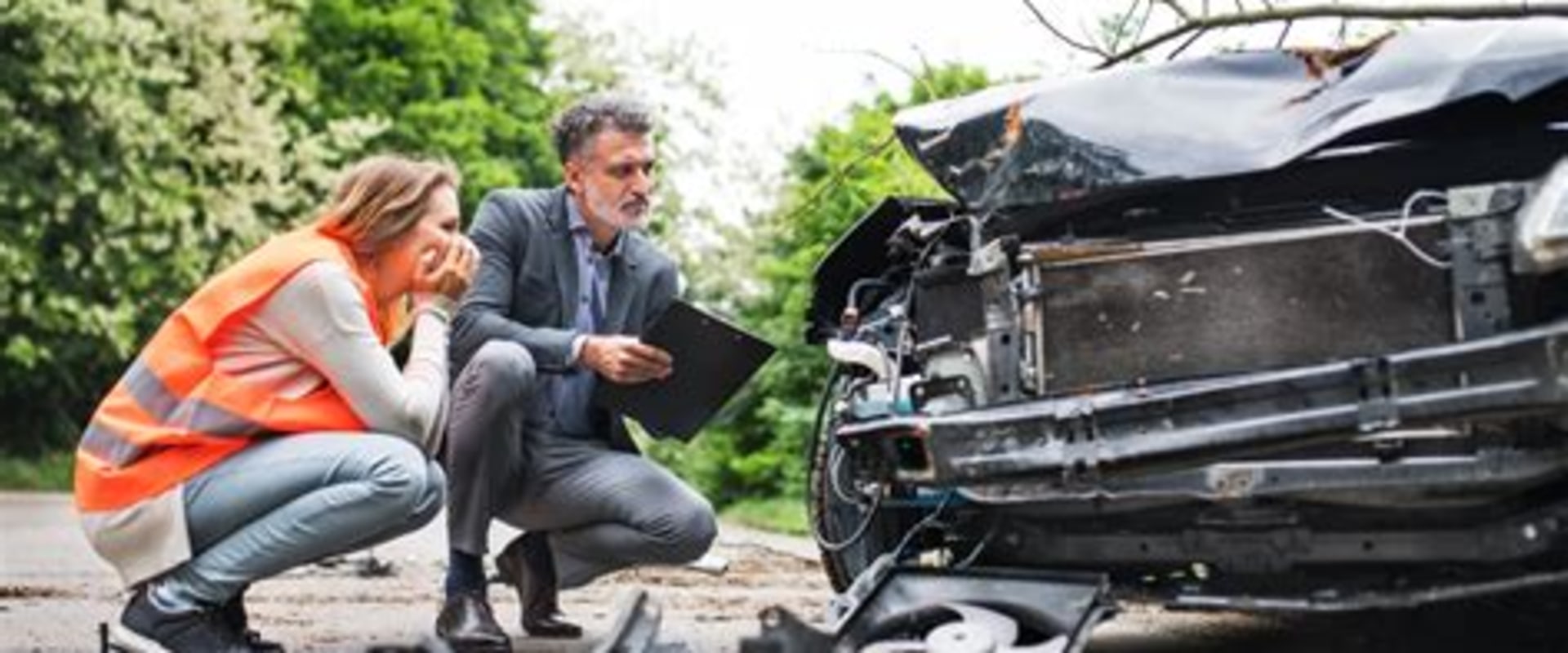
- Document the Scene: Take photos of the accident scene, including vehicle damage, license plates, and any relevant road signs or signals.
This documentation can serve as evidence if disputes arise.
- Exchange Information: Collect contact and insurance information from the other driver. If they are uninsured, note their name, address, phone number, and vehicle details. This information will be crucial for your own insurance claim.
- Notify Your Insurance Company: Contact your vehicle insurance services provider as soon as possible to report the accident. Provide them with all necessary details, including the fact that the other driver is uninsured.
- Consider Legal Advice: Depending on the circumstances of the accident, you may want to consult with a legal professional who specializes in auto accidents.
They can guide you on how to proceed if you face challenges in recovering costs from an uninsured driver.
How Vehicle Insurance Services Can Help
When involved in an accident with an uninsured driver, vehicle insurance services play a crucial role in mitigating the financial impact. One of the most important coverages to consider is uninsured motorist coverage, which is designed to protect you when the at-fault party lacks insurance.Uninsured motorist coverage
can help cover various expenses that arise from an accident, including:- Medical expenses: This coverage can pay for your medical bills, rehabilitation costs, and any necessary ongoing treatment resulting from the accident.
- Lost wages: If your injuries prevent you from working, this coverage can compensate for lost income during your recovery period.
- Pain and suffering: Uninsured motorist coverage may also provide compensation for emotional distress and pain associated with your injuries.
- Liability coverage: If you are found at fault in an accident, liability insurance can help cover damages to the other party's vehicle and medical expenses.
- Collision coverage: This type of policy can help pay for repairs to your own vehicle, regardless of who is at fault.
- Comprehensive coverage: This protects against non-collision-related incidents, such as theft or natural disasters, ensuring that your vehicle is safeguarded in various situations.
By doing so, you can minimize the stress and financial burden that often accompanies accidents involving uninsured motorists.
Legal Options Available to You
Being involved in an accident with an uninsured driver can be a daunting experience, but understanding your legal options is crucial for recovering damages. Here are some avenues you may consider:- Filing a Lawsuit: If the uninsured driver is at fault, you may have the option to sue them for damages. This process involves filing a claim in civil court, where you can seek compensation for medical expenses, property damage, and other losses. However, it’s important to note that if the driver lacks insurance, they may also lack the financial resources to pay any judgment against them.
- Uninsured Motorist Coverage: If you have vehicle insurance services that include uninsured motorist coverage, you can file a claim with your own insurance company.
This type of coverage is designed to protect you in situations where the at-fault driver does not have insurance.
- Legal Advice: Consulting with a qualified attorney who specializes in car accidents is essential. They can provide tailored legal advice based on your specific situation and help you navigate the complexities of the legal system. An attorney can also assist in gathering evidence and building a strong case if you decide to pursue legal action.
- Mediation or Settlement: In some cases, it may be possible to reach a settlement with the uninsured driver outside of court. Mediation can be a less adversarial approach that allows both parties to negotiate a resolution without the need for a lengthy trial.
Legal claims often have time limits known as statutes of limitations, which vary by state. Therefore, seeking legal counsel as soon as possible can help ensure that your rights are protected and that you have the best chance of recovering damages from an uninsured driver.
Financial Implications of an Accident with an Uninsured Driver
Being involved in an accident with an uninsured driver can lead to significant financial implications. Understanding these consequences is crucial for navigating the aftermath effectively. First and foremost, if you are hit by an uninsured driver, you may be responsible for covering your own damages. This can include:- Medical expenses: Costs related to hospital visits, treatments, and rehabilitation can quickly accumulate.
- Vehicle repairs: Depending on the severity of the accident, repair costs can range from minor fixes to total loss.
- Lost wages: If your injuries prevent you from working, you may face a loss of income.
However, if you find yourself in an accident with someone who lacks coverage, your own insurance policy may come into play. Here are some key points regarding the insurance claims process:
- Contact your insurance provider: Notify them about the accident as soon as possible. They will guide you through the claims process.
- Document everything: Gather evidence from the scene, including photos, witness statements, and police reports. This documentation will be vital for your claim.
- Understand your coverage: Review your policy to see if you have uninsured motorist coverage.
This type of coverage can help pay for your damages when the at-fault driver is uninsured.
Frequently Asked Questions (FAQs)
When involved in an accident with an uninsured driver, many questions may arise regarding your rights and the next steps to take. Here are some frequently asked questions that can help clarify your situation:What should I do immediately after the accident?
First and foremost, ensure everyone's safety by moving to a safe location if possible.Call 911 to report the accident and seek medical attention if needed. Document the scene by taking photos and gathering information from the other driver, including their name, contact details, and vehicle information.
How does my vehicle insurance services come into play?
If you have uninsured motorist coverage, your own insurance policy may cover damages and medical expenses resulting from the accident. This type of coverage is designed to protect you in situations where the at-fault driver lacks insurance.What if I don’t have uninsured motorist coverage?
If you do not have this coverage, you may need to pursue compensation through other means, such as:- Filing a lawsuit: You can consider taking legal action against the uninsured driver, although collecting damages may be challenging if they lack financial resources.
- Personal injury protection (PIP): If your state allows it, PIP can help cover medical expenses regardless of fault.
- Health insurance: Your health insurance may cover medical bills resulting from the accident.
Will my insurance rates increase?
This depends on your insurer's policies and your driving history. If you file a claim under your uninsured motorist coverage, it could potentially lead to an increase in your premiums.However, many states have regulations that protect drivers from rate increases after accidents involving uninsured motorists.
What if I was partially at fault?
If you share some fault in the accident, it may affect your ability to recover damages. States follow different rules regarding comparative negligence, which can impact how much compensation you can receive based on your level of fault.Understanding these aspects can help you navigate the aftermath of an accident with an uninsured driver more effectively. Always consult with your insurance provider for specific guidance tailored to your situation.Conclusion: Key Takeaways and Next Steps
In conclusion, being involved in an accident with an uninsured driver can be a daunting experience, but understanding your options can significantly ease the process. Here are the key takeaways from our discussion:- Assess the Situation: Always prioritize safety and ensure that everyone involved is unharmed.
Call emergency services if necessary.
- Document Everything: Gather evidence, including photos of the scene, witness statements, and any relevant details about the other driver.
- Contact Your Insurance Provider: Notify your vehicle insurance services provider as soon as possible. They can guide you through the claims process and inform you about your coverage options.
- Understand Your Coverage: Review your policy to see if you have uninsured motorist coverage, which can help cover damages and medical expenses.
- Consider Legal Action: If the uninsured driver is at fault and you face significant damages, consulting with a legal professional may be necessary to explore your options for recovery.
- Stay Calm: Take a moment to collect your thoughts and avoid making hasty decisions.
- File a Claim: If you have uninsured motorist coverage, file a claim with your insurance company promptly.
- Seek Medical Attention: Even if injuries seem minor, it’s wise to get checked by a healthcare professional.
- Keep Records: Maintain detailed records of all communications with your insurance company and any medical treatments received.