When it comes to owning a vehicle, understanding vehicle insurance services is crucial for every car owner. These services not only provide financial protection in the event of an accident but also offer peace of mind knowing that you are covered against unforeseen circumstances. The importance of vehicle insurance cannot be overstated; it safeguards your investment and ensures that you can navigate the roads with confidence. In today's world, where accidents can happen in the blink of an eye, having reliable insurance services is more than just a legal requirement—it's a vital component of responsible vehicle ownership. Whether you're driving a brand-new car or an older model, the right insurance policy can help mitigate the costs associated with repairs, medical expenses, and liability claims.
This is why understanding why insurance matters is essential for anyone looking to protect their assets and ensure their financial stability. As we delve deeper into the topic, we will explore various aspects of vehicle insurance services, including the necessity of vehicle inspections before purchasing coverage. This step can significantly influence your insurance rates and coverage options, making it an important consideration for prospective policyholders.
What Are Vehicle Insurance Services?
Vehicle insurance services are essential financial products designed to protect vehicle owners from potential losses associated with accidents, theft, and other unforeseen events. Understanding these services is crucial for making informed decisions when purchasing insurance.There are several types of vehicle insurance available, each catering to different needs and circumstances:- Liability Insurance: This is the most basic form of vehicle insurance, covering damages to other people’s property and medical expenses if you are at fault in an accident.
- Collision Insurance: This type covers damages to your own vehicle resulting from a collision, regardless of who is at fault.
- Comprehensive Insurance: Comprehensive coverage protects against non-collision-related incidents, such as theft, vandalism, or natural disasters.
- Personal Injury Protection (PIP): PIP covers medical expenses for you and your passengers, regardless of fault, and may also cover lost wages.
- Uninsured/Underinsured Motorist Coverage: This provides protection if you are involved in an accident with a driver who lacks sufficient insurance.
By understanding the various types of coverage available, you can make a more informed choice that best protects you and your investment.
Do You Need a Vehicle Inspection Before Getting Insurance?
When considering vehicle insurance services, one common question arises: do I need a vehicle inspection before purchasing insurance? The answer can vary based on several factors, including the insurance provider, the type of vehicle, and state regulations.In many cases, a vehicle inspection is not a strict requirement for obtaining insurance. However, some insurers may request an inspection to assess the condition of the vehicle, especially if it is a used car or if you are applying for comprehensive coverage. This process helps the insurer evaluate potential risks and determine appropriate premiums.Why Might an Inspection Be Required?
- High-Value Vehicles: If you are insuring a luxury or high-performance vehicle, an inspection may be necessary to document its condition and value.
- Older Vehicles: Insurers might require inspections for older cars to ensure they meet safety standards and are in good working order.
- State Regulations: Some states have specific laws that mandate inspections before issuing certain types of insurance policies.
They can provide specific guidance based on their policies and your individual circumstances.In summary, while a vehicle inspection is not universally required before purchasing vehicle insurance services, it may be beneficial or necessary depending on various factors. Always check with your insurer to understand their specific requirements and ensure you are adequately covered.
When Is a Vehicle Inspection Required?
Understanding when a vehicle inspection is required can significantly impact your experience with vehicle insurance services. While not all insurance providers mandate an inspection, certain circumstances and state regulations may necessitate one.Common Circumstances for Inspection
- High-Risk Vehicles: If you are purchasing a vehicle that is classified as high-risk due to its age, make, or model, insurers may require an inspection to assess its condition.
- Previous Damage: Vehicles that have been previously involved in accidents or have undergone significant repairs often need an inspection to verify their current state.
- New or Used Vehicle Purchases: Some insurers may request an inspection for newly purchased vehicles, especially if they are used, to ensure they meet safety standards.
State Requirements for Inspections
In addition to insurer requirements, certain states have laws that mandate vehicle inspections before insurance can be issued. These regulations vary widely:- Safety Inspections: States like Virginia and Texas require regular safety inspections for all vehicles.
If you are registering a vehicle in these states, an inspection may be necessary before obtaining insurance.
- Emissions Testing: Some states also require emissions testing as part of the vehicle inspection process. This is particularly common in areas with strict environmental regulations.
- Insurance Verification: In some jurisdictions, proof of a recent vehicle inspection may be needed to validate your insurance policy.
Benefits of Having Your Vehicle Inspected
When considering vehicle insurance services, one of the most beneficial steps you can take is to have your vehicle inspected before finalizing your insurance policy. This proactive measure not only ensures that your vehicle is in good condition but also offers several advantages that can enhance your overall insurance experience.- Accurate Assessment of Vehicle Condition: An inspection provides a thorough evaluation of your vehicle's mechanical and structural integrity.
This assessment helps identify any pre-existing issues that could affect your insurance coverage.
- Potential for Lower Premiums: Insurance companies often reward drivers who take the initiative to inspect their vehicles. By demonstrating that your vehicle is well-maintained and free of significant issues, you may qualify for lower premiums.
- Better Coverage Options: Knowing the exact condition of your vehicle allows you to choose the most appropriate coverage options. If your vehicle has been inspected and deemed safe, you might opt for higher deductibles or specific coverage types that suit your needs.
- Peace of Mind: Having an inspection done before purchasing insurance gives you confidence in your vehicle's reliability. This peace of mind can be invaluable, especially if you rely on your vehicle for daily commuting or long trips.
- Documentation for Claims: An inspection report serves as a valuable document in case of future claims.
It provides evidence of the vehicle's condition at the time of insurance purchase, which can be crucial if disputes arise later.
What to Expect During a Vehicle Inspection
When preparing for a vehicle inspection, it’s essential to understand what the process entails and what inspectors will be looking for. A typical vehicle inspection is designed to ensure that your car meets safety and emissions standards, which can vary by state.What Happens During an Inspection
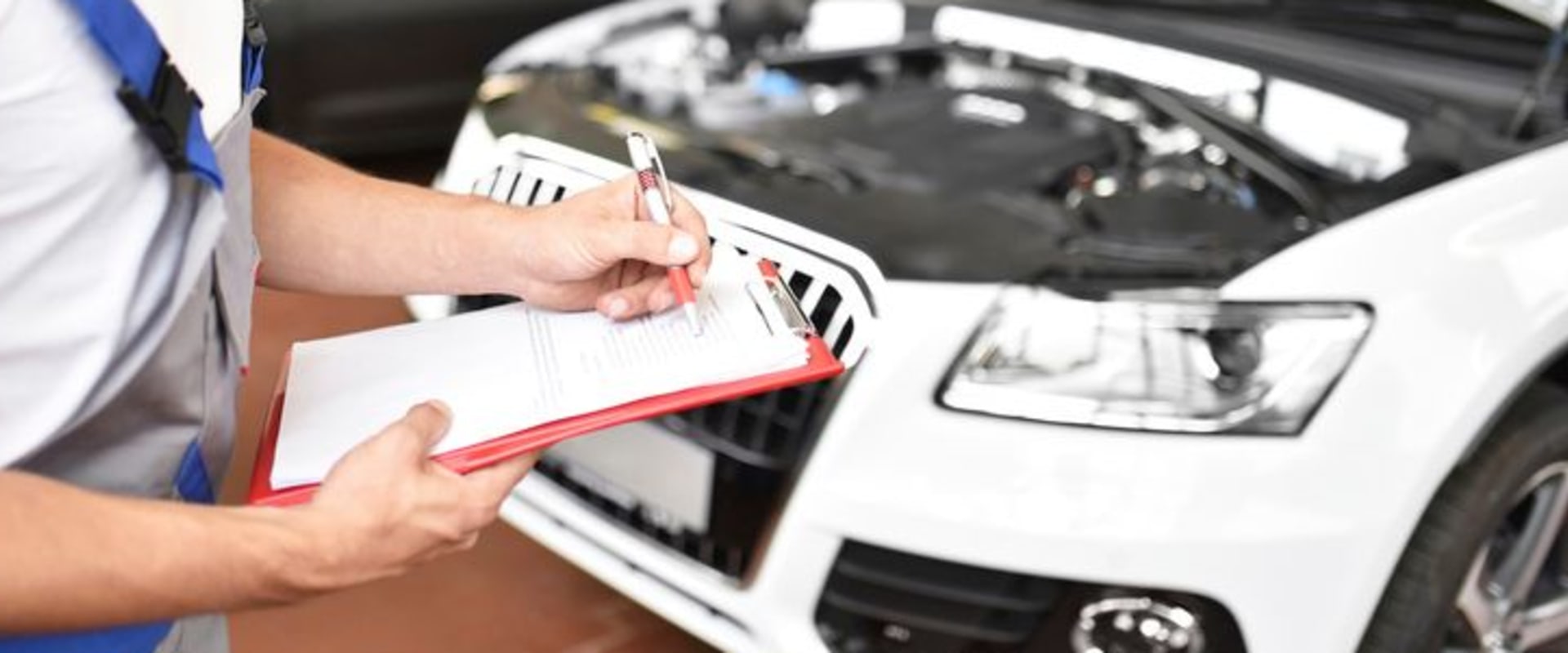
During the inspection, a certified technician will conduct a thorough examination of your vehicle. This process usually takes between 30 minutes to an hour, depending on the type of inspection and the condition of your vehicle.Here are some key areas that inspectors focus on:
- Brakes: Inspectors will check the brake pads, rotors, and overall braking system to ensure they are functioning properly.
- Lights: All exterior lights, including headlights, taillights, and turn signals, will be tested for functionality.
- Tires: The condition of the tires, including tread depth and pressure, is assessed to ensure safe driving.
- Windshield and Wipers: Inspectors will look for cracks in the windshield and check the effectiveness of the wipers.
- Emissions: Many states require emissions testing to ensure that vehicles meet environmental standards.
Vehicle Inspection Checklist
To help you prepare for your vehicle inspection, consider using a checklist. Here’s a simple guide:- Check all lights and replace any burnt-out bulbs.
- Inspect tire pressure and tread depth; replace tires if necessary.
- Ensure that brakes are responsive and not making unusual noises.
- Examine windshield wipers for wear and replace if needed.
- Look for any visible leaks under the vehicle.
Frequently Asked Questions About Vehicle Inspections and Insurance
When considering vehicle insurance services, many potential policyholders have questions about the necessity of vehicle inspections. Here are some common inquiries:- Do I need an inspection for car insurance? In most cases, a vehicle inspection is not a strict requirement for obtaining car insurance.
However, certain insurers may request an inspection to assess the condition of the vehicle, especially if it is a high-value or older model. This helps them determine the appropriate coverage and premium rates.
- What does a vehicle inspection involve? A typical vehicle inspection includes checking the overall condition of the car, including its engine, brakes, tires, lights, and other essential components. Some inspections may also evaluate safety features and emissions compliance.
- Will an inspection affect my insurance premium? Yes, the results of a vehicle inspection can influence your insurance premium. If your vehicle is in excellent condition with no significant issues, you may qualify for lower rates.
Conversely, if the inspection reveals problems, it could lead to higher premiums or limited coverage options.
- How often do I need to get my vehicle inspected? The frequency of inspections can vary based on state regulations and the age of your vehicle. Generally, newer cars may not require frequent inspections, while older vehicles might need annual checks to ensure they meet safety standards.
Conclusion: Making Informed Decisions About Vehicle Insurance Services
In conclusion, understanding the relationship between vehicle inspections and vehicle insurance services is crucial for making informed decisions when purchasing insurance. While it may not be a strict requirement to have your vehicle inspected before obtaining insurance, doing so can provide significant benefits.Firstly, a thorough inspection can help identify any existing issues with your vehicle that could affect your insurance premiums. For instance, if your vehicle has a history of accidents or mechanical problems, this information may lead to higher insurance costs.Conversely, a well-maintained vehicle may qualify for discounts, making it financially advantageous to have an inspection done.Moreover, many insurance providers require an inspection for specific types of coverage, such as comprehensive or collision insurance. This step ensures that the insurer has an accurate assessment of the vehicle's condition, which can influence the coverage options available to you.Additionally, being proactive about vehicle inspections can enhance your overall safety on the road. By ensuring that your vehicle is in good working order, you reduce the risk of accidents and potential claims, which can ultimately lead to lower premiums over time.In summary, while it may not be mandatory to have your vehicle inspected before purchasing vehicle insurance services, it is a wise decision that can lead to better coverage options and potential savings. Always consider the long-term benefits of maintaining your vehicle and staying informed about how its condition impacts your insurance choices.