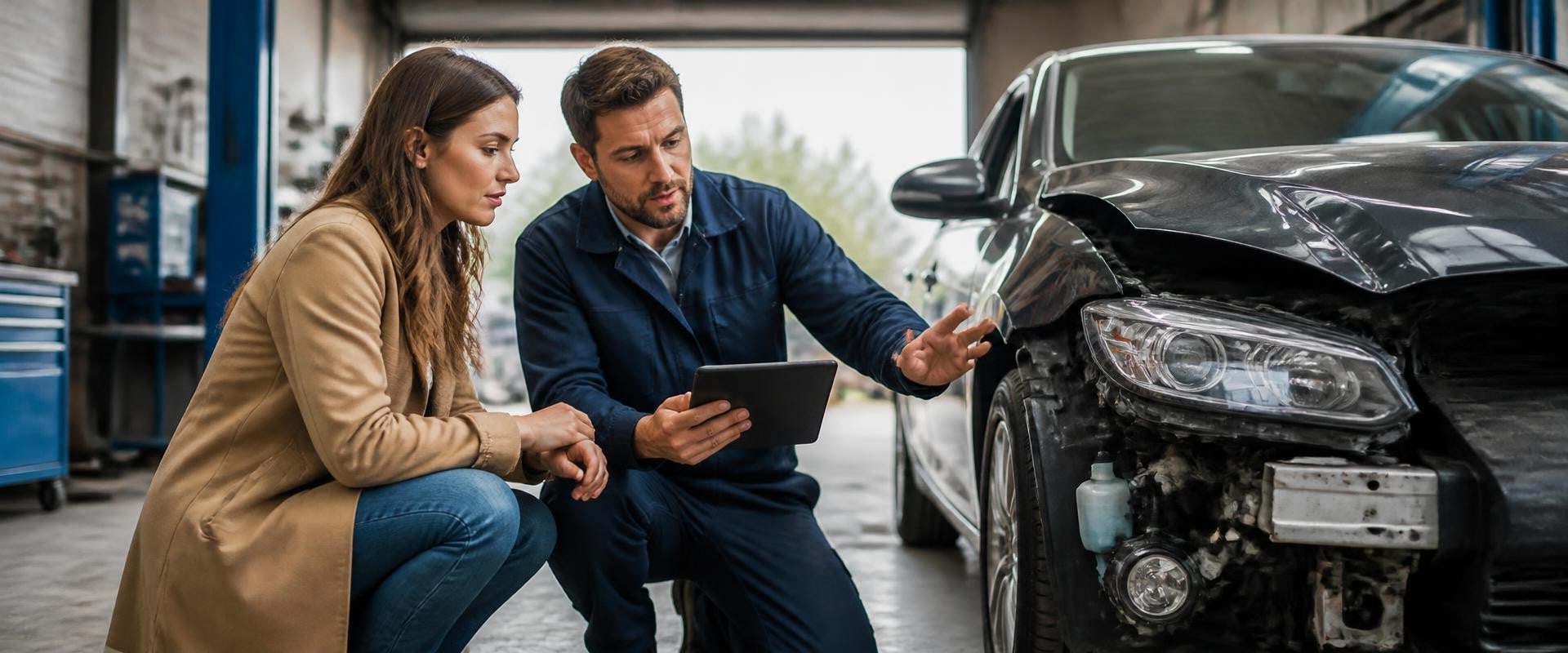
Vehicle accidents can create unexpected challenges, particularly when drivers must navigate insurance claims while arranging necessary repairs. Whether the damage involves minor dents, damaged bumpers, or significant mechanical problems, restoring a vehicle requires careful evaluation and professional attention. Auto repair shops play an important role in helping vehicle owners understand repair requirements, obtain estimates, and complete necessary services. Working with experienced automotive professionals can make the repair process more manageable while ensuring damaged components receive appropriate attention. Understanding how auto shops assist following insurance claims helps drivers make informed decisions and return their vehicles to safe operating condition.
Assessing Vehicle Damage and Providing Repair Estimates
One of the first steps following an insurance claim involves evaluating the extent of vehicle damage. Professional technicians inspect affected components to identify visible problems and potential underlying issues. Damage resulting from collisions may extend beyond exterior panels, affecting suspension systems, steering components, or mechanical assemblies. A thorough inspection helps establish which repairs are necessary to restore vehicle functionality. Auto shops can provide itemized repair estimates that outline anticipated labor, replacement parts, and additional services. Automotive service providers such as Complete Auto Maintenance Centers in Brighton, Michigan illustrate the importance of professional vehicle maintenance, although insurance-related repair capabilities and services vary between facilities. Accurate documentation can help vehicle owners communicate repair requirements to their insurance providers.
Coordinating Repairs With Insurance Providers
The insurance claims process often involves communication between vehicle owners, insurance adjusters, and repair facilities. Depending on the shop's services, automotive professionals may assist by supplying repair estimates, photographs, and supporting documentation requested by insurers. If additional damage becomes apparent after repairs begin, technicians may prepare supplemental estimates for insurance review. This process helps clarify necessary repairs and associated expenses before additional work proceeds. Vehicle owners should understand their policy coverage, deductible responsibilities, and repair authorization requirements. Maintaining communication with both the insurance company and repair facility helps reduce misunderstandings and supports a more organized repair experience.
Ensuring Quality Repairs and Vehicle Safety
Restoring a damaged vehicle involves more than improving its appearance. Mechanical components, electronic systems, and structural elements may require careful inspection following an accident. Qualified technicians use appropriate diagnostic equipment and manufacturer repair information to evaluate affected systems. Depending on the damage, repairs may involve replacing damaged parts, correcting alignment problems, or addressing electrical malfunctions. Certain collision repairs also require specialized structural equipment or advanced driver assistance system calibration. Choosing a properly equipped facility helps ensure that repairs follow applicable safety procedures and manufacturer specifications. After completing repairs, technicians should perform relevant inspections and functional checks to confirm that affected systems operate correctly.
Supporting a Smooth Return to the Road
A dependable auto shop can help vehicle owners navigate the final stages of the repair process through clear communication and appropriate service documentation. Before collecting their vehicles, drivers should review completed work, confirm any applicable warranties, and understand recommended follow-up maintenance. Keeping copies of insurance correspondence, invoices, and inspection reports provides valuable records for future reference. Vehicle owners should also report unresolved concerns promptly if unusual noises, warning lights, or handling problems appear after repairs. Ultimately, professional automotive assistance helps simplify the recovery process following an insurance claim. By prioritizing accurate assessments, transparent communication, and quality repairs, drivers can restore vehicle reliability, protect their investment, and regain confidence on the road. Vehicle accidents can create unexpected challenges, particularly when drivers must navigate insurance claims while arranging necessary repairs. Whether the damage involves minor dents, damaged bumpers, or significant mechanical problems, restoring a vehicle requires careful evaluation and professional attention. Auto repair shops play an important role in helping vehicle owners understand repair requirements, obtain estimates, and complete necessary services. Working with experienced automotive professionals can make the repair process more manageable while ensuring damaged components receive appropriate attention. Understanding how auto shops assist following insurance claims helps drivers make informed decisions and return their vehicles to safe operating condition.
Assessing Vehicle Damage and Providing Repair Estimates
One of the first steps following an insurance claim involves evaluating the extent of vehicle damage. Professional technicians inspect affected components to identify visible problems and potential underlying issues. Damage resulting from collisions may extend beyond exterior panels, affecting suspension systems, steering components, or mechanical assemblies. A thorough inspection helps establish which repairs are necessary to restore vehicle functionality. Auto shops can provide itemized repair estimates that outline anticipated labor, replacement parts, and additional services. Automotive service providers such as Complete Auto Maintenance Centers in Brighton, Michigan illustrate the importance of professional vehicle maintenance, although insurance-related repair capabilities and services vary between facilities. Accurate documentation can help vehicle owners communicate repair requirements to their insurance providers.
Coordinating Repairs With Insurance Providers
The insurance claims process often involves communication between vehicle owners, insurance adjusters, and repair facilities. Depending on the shop's services, automotive professionals may assist by supplying repair estimates, photographs, and supporting documentation requested by insurers. If additional damage becomes apparent after repairs begin, technicians may prepare supplemental estimates for insurance review. This process helps clarify necessary repairs and associated expenses before additional work proceeds. Vehicle owners should understand their policy coverage, deductible responsibilities, and repair authorization requirements. Maintaining communication with both the insurance company and repair facility helps reduce misunderstandings and supports a more organized repair experience.
Ensuring Quality Repairs and Vehicle Safety
Restoring a damaged vehicle involves more than improving its appearance. Mechanical components, electronic systems, and structural elements may require careful inspection following an accident. Qualified technicians use appropriate diagnostic equipment and manufacturer repair information to evaluate affected systems. Depending on the damage, repairs may involve replacing damaged parts, correcting alignment problems, or addressing electrical malfunctions. Certain collision repairs also require specialized structural equipment or advanced driver assistance system calibration. Choosing a properly equipped facility helps ensure that repairs follow applicable safety procedures and manufacturer specifications. After completing repairs, technicians should perform relevant inspections and functional checks to confirm that affected systems operate correctly.
Supporting a Smooth Return to the Road
A dependable auto shop can help vehicle owners navigate the final stages of the repair process through clear communication and appropriate service documentation. Before collecting their vehicles, drivers should review completed work, confirm any applicable warranties, and understand recommended follow-up maintenance. Keeping copies of insurance correspondence, invoices, and inspection reports provides valuable records for future reference. Vehicle owners should also report unresolved concerns promptly if unusual noises, warning lights, or handling problems appear after repairs. Ultimately, professional automotive assistance helps simplify the recovery process following an insurance claim. By prioritizing accurate assessments, transparent communication, and quality repairs, drivers can restore vehicle reliability, protect their investment, and regain confidence on the road.


