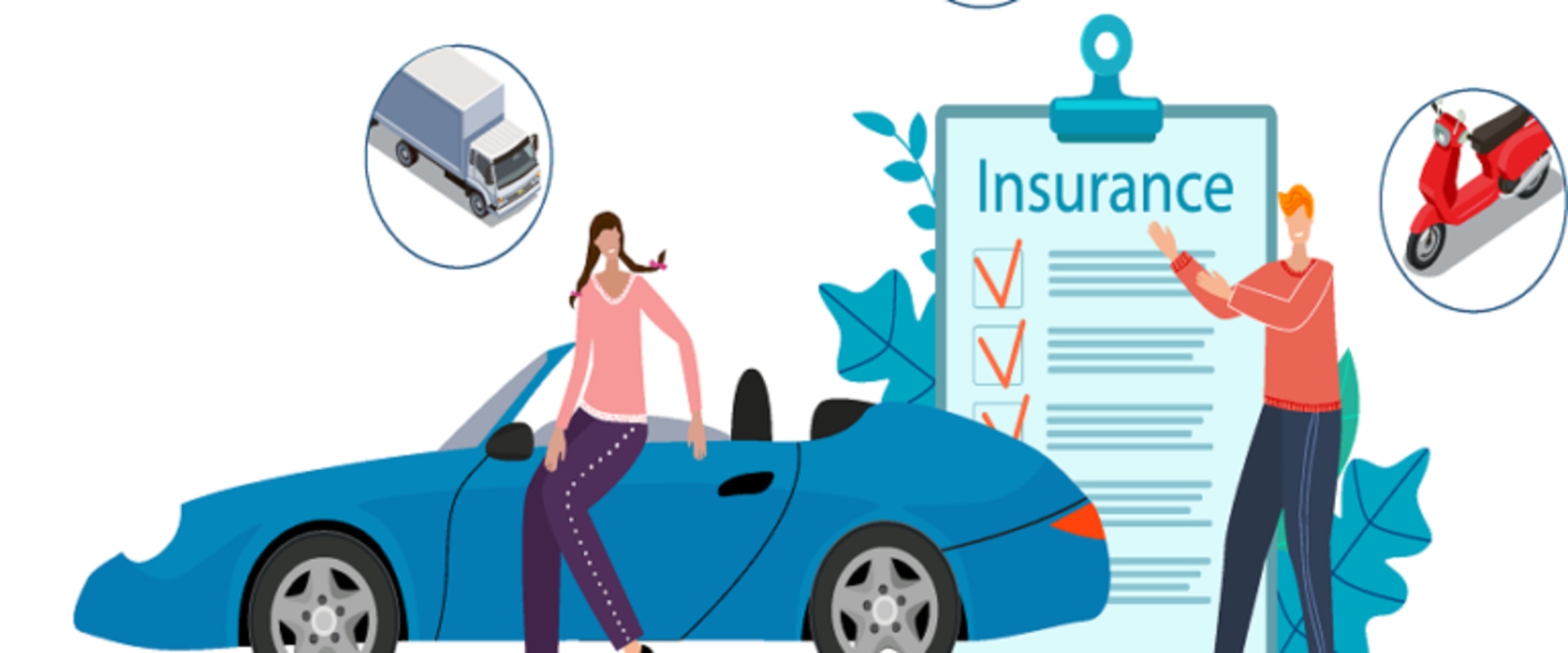
When it comes to protecting your investment on the road, vehicle insurance services play a crucial role. These services encompass a range of policies designed to safeguard both you and your vehicle from unforeseen circumstances, such as accidents, theft, or natural disasters. Understanding what vehicle insurance entails is essential for any car owner, as it not only provides financial protection but also peace of mind while driving. At its core, vehicle insurance is a contract between you and an insurance provider that outlines the coverage you will receive in exchange for regular premium payments. There are various types of vehicle insurance available, including liability coverage, collision coverage, comprehensive coverage, and uninsured/underinsured motorist protection.
Each type serves a specific purpose and can be tailored to meet your individual needs and budget. As you consider transferring your existing vehicle insurance services to a new car, it's important to grasp the nuances of these policies. Not all vehicles are created equal; factors such as make, model, age, and safety features can influence your insurance rates and coverage options. By understanding the fundamentals of vehicle insurance services, you can make informed decisions that ensure you maintain adequate protection while enjoying your new ride.
Can You Transfer Your Vehicle Insurance to a New Car?
When you purchase a new car, one of the first questions that may arise is whether you can transfer your existing vehicle insurance services to your new vehicle. The good news is that in most cases, you can indeed transfer your vehicle insurance to a new car, but there are specific steps and considerations to keep in mind.Understanding the Vehicle Insurance Transfer Process
The process of transferring your vehicle insurance typically involves the following steps:
- Contact Your Insurance Provider: Reach out to your current insurance company as soon as you acquire your new vehicle.
They will guide you through the necessary steps and inform you about any changes in your policy.
- Provide Vehicle Details: You will need to provide information about your new car, including its make, model, year, and Vehicle Identification Number (VIN). This information is crucial for updating your policy.
- Review Coverage Options: Depending on the type of vehicle you are purchasing, you may need to adjust your coverage. For instance, if your new car has a higher value or different safety features, it might require additional coverage.
- Adjust Premiums: Be prepared for potential changes in your premium. A new car may lead to an increase or decrease in your insurance costs based on factors like safety ratings and theft rates.
- Finalize the Transfer: Once all details are confirmed and any necessary adjustments are made, finalize the transfer with your insurer.
Ensure that you receive updated documentation reflecting the changes.
Important Considerations
While transferring your vehicle insurance is generally straightforward, there are a few important considerations:
- If you are switching to a different insurance provider, make sure there is no gap in coverage during the transition.
- Some insurers may have specific policies regarding how long you can keep coverage on a vehicle before needing to update it.
- If you have financed or leased your new car, check if there are any specific insurance requirements from the lender or leasing company.
Factors to Consider When Transferring Insurance
When considering the transfer of vehicle insurance services to a new car, several key factors come into play that can significantly impact your coverage and premiums.- Type of Vehicle: The make and model of your new car can greatly influence your insurance rates. Generally, high-performance vehicles or luxury cars tend to have higher premiums due to their increased repair costs and theft rates. Conversely, a more economical or safer vehicle may qualify for discounts.
- Coverage Needs: Assess whether your coverage needs have changed with the new vehicle.
For instance, if you are upgrading to a more valuable car, you might need to increase your coverage limits. Additionally, consider whether you still require comprehensive and collision coverage based on the age and value of the new vehicle.
- Driving History: Your driving record plays a crucial role in determining your insurance rates. If you have had any recent accidents or traffic violations, this could affect your premium when transferring your policy.
- Location: The area where you live can also impact your insurance costs. Urban areas with higher crime rates may lead to increased premiums compared to rural locations.
Ensure that your new vehicle is insured according to the risks associated with your location.
- Discounts and Bundles: Check if you are eligible for any discounts when transferring your policy. Many insurers offer discounts for bundling multiple policies or for having a good driving record. Make sure to inquire about these options when discussing the transfer.
Potential Costs and Savings Involved in Transferring Insurance
When considering the transfer of vehicle insurance services to a new car, it’s essential to evaluate both the potential costs and savings involved.Understanding these financial implications can help you make a more informed decision.
Costs of Transferring Vehicle Insurance
- Policy Adjustment Fees: Some insurance companies may charge a fee for adjusting your policy to reflect the new vehicle. This fee can vary significantly between providers.
- Premium Changes: The cost of your insurance premium may increase or decrease based on the new car's make, model, and safety features. Generally, newer cars with advanced safety technology may qualify for lower premiums.
- Coverage Gaps: If you need to change your coverage type (e.g., from liability to full coverage), this could lead to higher costs. Ensure you understand the coverage requirements for your new vehicle.
Savings on New Car Insurance
- Bundling Discounts: If you have multiple policies with the same insurer, you might qualify for bundling discounts when transferring your insurance to a new car.
- Safe Driver Discounts: Maintaining a clean driving record can lead to significant savings.
If you have a history of safe driving, this could positively impact your new policy rates.
- Vehicle Safety Features: Many insurers offer discounts for vehicles equipped with advanced safety features such as anti-lock brakes, airbags, and anti-theft systems.
Financial Implications of Insurance Transfer
The financial implications of transferring your vehicle insurance services extend beyond immediate costs and savings. It’s crucial to assess how changes in your premium will affect your overall budget. Additionally, consider the long-term benefits of maintaining continuous coverage, which can help avoid lapses that might lead to higher rates in the future.In conclusion, while transferring your vehicle insurance services can involve certain costs, there are also opportunities for savings that can make the transition worthwhile. Always compare quotes and discuss options with your insurer to ensure you’re making the best financial decision for your new vehicle.
Common FAQs About Transferring Vehicle Insurance Services
Transferring your vehicle insurance services to a new car can raise several questions.Here are some of the most common FAQs that can help clarify the process:
- Can I transfer my insurance policy to a new vehicle?
Yes, most insurance companies allow you to transfer your existing policy to a new vehicle. You will need to inform your insurer about the change and provide details about the new car. - Will my premium change when I transfer my insurance?
Your premium may change based on various factors, including the make and model of the new vehicle, its safety ratings, and its theft rates. Generally, more expensive or high-performance cars may lead to higher premiums. - What information do I need to provide for the transfer?
You will typically need to provide your insurer with the Vehicle Identification Number (VIN), details about the car's safety features, and any changes in usage (e.g., commuting vs. leisure). - Is there a fee for transferring my vehicle insurance?
Most insurers do not charge a fee for transferring your policy, but it’s always best to check with your provider for any specific terms or conditions. - How long does it take to transfer my insurance?
The transfer process is usually quick and can often be completed over the phone or online within a few minutes.However, it’s advisable to initiate this process before you start driving your new vehicle.
Conclusion: Key Takeaways on Transferring Vehicle Insurance Services
In conclusion, transferring your vehicle insurance services to a new car is not only possible but often a straightforward process. Here are the key takeaways to keep in mind:- Contact Your Insurer: The first step is to reach out to your current insurance provider. They can guide you through the process and inform you of any necessary documentation.
- Understand Coverage Options: When transferring your policy, it’s essential to review your coverage options. Different vehicles may require different levels of coverage, so ensure that your new car is adequately protected.
- Check for Discounts: Many insurers offer discounts for safe driving, multiple policies, or even for certain types of vehicles.
Inquire about any potential savings when you transfer your vehicle insurance services.
- Be Aware of Policy Changes: Transferring your insurance may lead to changes in your premium. Factors such as the make and model of the new car, its safety ratings, and your driving history can all influence costs.
- Timing Matters: Make sure to transfer your insurance before you start driving the new vehicle. This ensures that you remain covered at all times and avoid any lapses in coverage.