When it comes to protecting your investment, vehicle insurance services play a crucial role in safeguarding vehicle owners from unexpected financial burdens. Understanding the various types of vehicle insurance available is essential for making informed decisions that align with your needs and circumstances. From comprehensive coverage that protects against theft and natural disasters to liability insurance that covers damages to others, each type serves a specific purpose in the realm of vehicle ownership. The importance of vehicle insurance cannot be overstated. Not only does it provide peace of mind, but it also ensures that you are financially protected in the event of an accident, theft, or total loss of your vehicle.
Without adequate insurance, the costs associated with repairing or replacing a vehicle can be overwhelming, potentially leading to significant financial strain. Moreover, many states require a minimum level of coverage, making it not just a smart choice but a legal necessity. As you navigate the complexities of vehicle insurance services, it's vital to consider how these policies will respond if your vehicle is stolen or deemed a total loss. Understanding the nuances of your coverage can make all the difference in how you recover from such unfortunate events. This foundational knowledge sets the stage for exploring what steps to take when faced with these challenging situations, ensuring you are well-prepared and informed.
What to Do Immediately After Your Vehicle Is Stolen
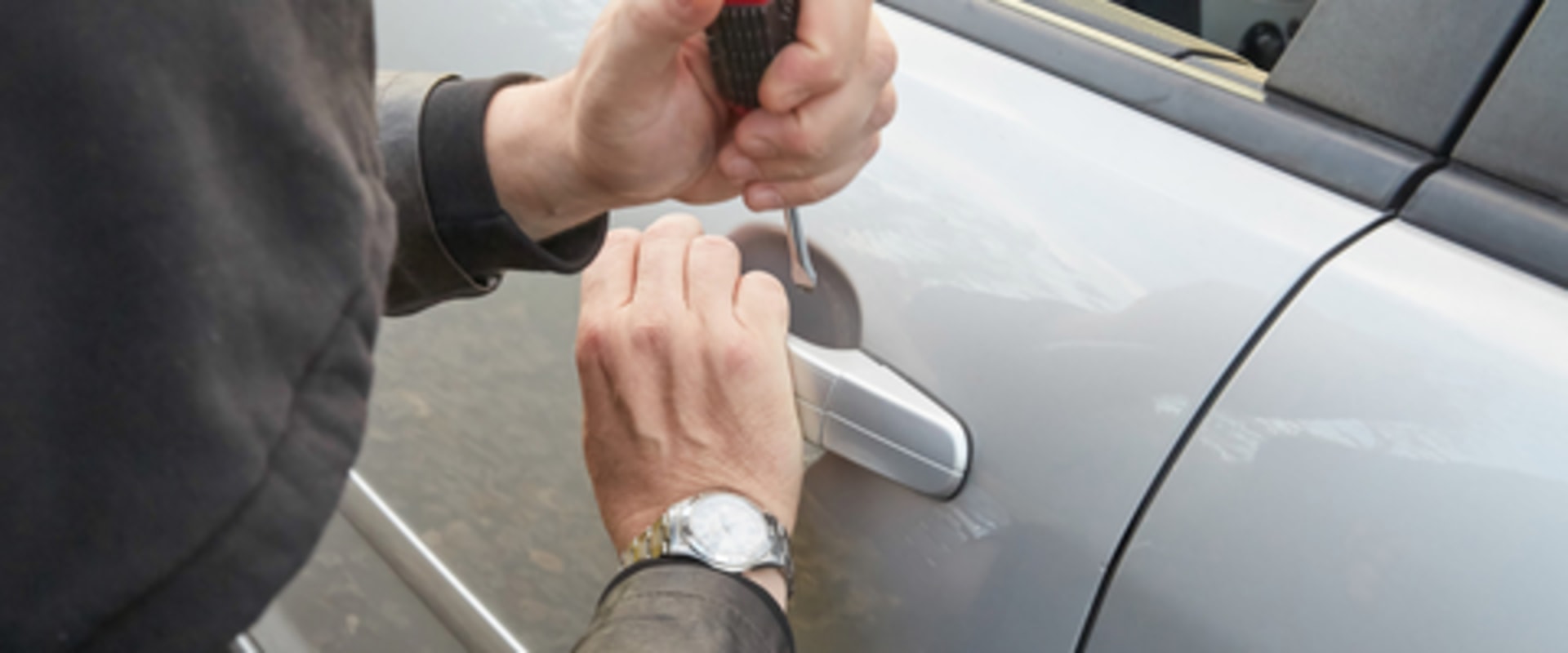
If you discover that your vehicle has been stolen, it’s crucial to act quickly to protect your interests and facilitate the claims process with your vehicle insurance services.Here are the immediate steps you should take:
- Stay Calm and Assess the Situation: Take a moment to gather your thoughts. Ensure that you are in a safe location before proceeding.
- Report the Theft to Local Authorities: Contact your local police department as soon as possible. Provide them with all necessary details, including:
- Your vehicle's make, model, and year
- The Vehicle Identification Number (VIN)
- The license plate number
- The location and time of the theft
- Notify Your Insurance Provider: Contact your vehicle insurance services provider immediately after filing a police report. Provide them with the same details you shared with law enforcement.
This will help expedite the claims process.
- Document Everything: Keep a record of all communications with both the police and your insurance company. Take notes on dates, times, and names of individuals you speak with.
- Check for Additional Coverage: Review your policy to see if you have any additional coverage options, such as rental car reimbursement or gap insurance, which may assist you while dealing with the aftermath of the theft.
How to File a Claim with Your Vehicle Insurance Provider
Filing a claim with your vehicle insurance services provider after your vehicle has been stolen or deemed a total loss can seem daunting, but understanding the process can make it much smoother. Here’s a step-by-step guide to help you navigate the vehicle insurance claim process.Step 1: Report the Incident
The first action you should take is to report the theft or accident to the police.Obtain a copy of the police report, as this will be a crucial document for your claim. If your vehicle is totaled, ensure that you have documentation of the accident, including photos and witness statements if available.
Step 2: Contact Your Insurance Provider
Once you have reported the incident, contact your vehicle insurance services provider as soon as possible. Most companies have a dedicated claims department that can guide you through the process. Be prepared to provide details about the incident, including:- Your policy number
- The date and time of the incident
- A description of what happened
- The police report number
Step 3: Gather Required Documents
Your insurance provider will require specific documents to process your claim efficiently.Commonly required documents include:
- A copy of the police report
- Your driver’s license and vehicle registration
- Proof of ownership (such as a title or bill of sale)
- Any photographs or evidence related to the incident
- Your insurance policy details
Step 4: Submit Your Claim
After gathering all necessary documents, submit your claim through your insurance provider’s preferred method, whether online, via phone, or in person. Ensure that you keep copies of everything you submit for your records.Step 5: Follow Up
After filing your claim, stay in touch with your insurance adjuster. They may need additional information or documentation from you. Regular follow-ups can help expedite the process and ensure that your claim is handled promptly.Tips for a Successful Claim:
- Be honest and thorough: Provide accurate information to avoid delays.
- Document everything: Keep records of all communications with your insurer.
- Know your rights: Familiarize yourself with your policy terms and conditions.
Understanding Total Loss: What It Means for Your Insurance Policy
When it comes to vehicle insurance services, understanding the concept of total loss is crucial for policyholders.A vehicle is typically considered a total loss when the cost to repair it exceeds a certain percentage of its actual cash value (ACV). This percentage can vary by state and insurance provider, but it often hovers around 70-80% of the vehicle's value.In the event of a total loss, your insurance policy will dictate how compensation is handled. Here are some key points to consider:
- Assessment of Value: Insurance companies will assess the ACV of your vehicle at the time of the accident or theft. This value is determined based on factors such as age, mileage, condition, and market demand.
- Insurance Payout: If your vehicle is deemed a total loss, your insurer will typically provide a payout equal to the ACV minus any deductibles.
This means that if your car was worth $15,000 and you have a $1,000 deductible, you would receive $14,000.
- Replacement Vehicle: Depending on your policy, you may have options for purchasing a replacement vehicle. Some policies offer new car replacement coverage, which can provide a payout for a brand-new vehicle if yours is totaled.
- Loan Payoff: If you still owe money on your vehicle loan, the payout from your insurance may go directly to the lender to cover the remaining balance. This is an important consideration for those with financed vehicles.
The Role of Vehicle Insurance Services in Theft Recovery
When a vehicle is stolen, the role of vehicle insurance services becomes crucial in facilitating recovery and providing financial support to the policyholder.Understanding how these services operate can significantly ease the stress of dealing with a theft.
Immediate Steps to Take
- Report the theft to local law enforcement as soon as possible. This is essential for both legal reasons and for your insurance claim.
- Notify your vehicle insurance provider promptly. Most insurers have a dedicated claims department that can guide you through the process.
The Role of Insurance in Theft Recovery
Your vehicle insurance services typically include coverage for theft, which can help you recover your vehicle or compensate you for its loss. Here’s how:
- Investigation Support: Insurance companies often work closely with law enforcement to assist in the investigation of the theft.
They may provide resources or information that can aid in locating your vehicle.
- Tracking Services: Some policies may include access to vehicle recovery services, such as GPS tracking systems, which can help locate stolen vehicles more efficiently.
- Financial Compensation: If your vehicle is not recovered within a certain period, your insurance policy may cover the actual cash value of the vehicle, minus any deductible. This ensures that you are not left without financial support during this challenging time.
What to Expect During the Process
Common Myths About Vehicle Insurance and Theft or Total Loss
When it comes to vehicle insurance services, there are numerous myths and misconceptions that can lead to confusion, especially regarding theft and total loss scenarios.Understanding the truth behind these myths is crucial for making informed decisions about your coverage.
- Myth 1: My vehicle insurance covers theft automatically. While many policies do include theft coverage, it’s not universal. Always check your specific policy details to ensure you have adequate protection against theft.
- Myth 2: If my car is stolen, I will receive the full amount I paid for it. In the event of a theft, most insurance companies will pay out based on the vehicle's current market value, not the original purchase price. This means depreciation can significantly affect your payout.
- Myth 3: Total loss means I get a new car. A total loss occurs when the cost to repair your vehicle exceeds its actual cash value. Insurers typically provide a payout based on this value, which may not be enough to buy a new vehicle.
- Myth 4: All vehicle insurance services handle theft claims the same way. Different insurers have varying policies and procedures for handling theft claims.
It’s essential to understand how your provider manages these situations to avoid surprises during a claim process.
Frequently Asked Questions About Vehicle Insurance Services and Theft/Total Loss
When it comes to vehicle insurance services, understanding the implications of theft or total loss is crucial for vehicle owners. Here are some frequently asked questions that can help clarify your concerns:- What should I do immediately if my vehicle is stolen?
If you suspect your vehicle has been stolen, contact the police right away to file a report. Additionally, notify your vehicle insurance service provider as soon as possible.They will guide you through the claims process and may require a copy of the police report.
- How does my insurance cover theft?
Most comprehensive auto insurance policies cover theft. If your vehicle is stolen and not recovered, your insurer will typically reimburse you for its actual cash value (ACV) at the time of the loss, minus any deductible. - What happens if my vehicle is deemed a total loss?
A vehicle is considered a total loss when the cost to repair it exceeds a certain percentage of its value. In this case, your vehicle insurance services will assess the damage and provide compensation based on the ACV of your vehicle, minus any applicable deductibles. - Will my premiums increase after a theft or total loss claim?
Filing a claim for theft or total loss may lead to an increase in your premiums, as insurers often view these claims as indicators of higher risk. However, this can vary based on your insurer's policies and your claims history. - Can I recover personal items stolen from my vehicle?
Personal items stolen from your vehicle are generally not covered by auto insurance.You may need to file a separate claim under your homeowners or renters insurance for those items.
Conclusion: Navigating Vehicle Insurance Services After Theft or Total Loss
In conclusion, understanding vehicle insurance services is crucial when facing the unfortunate events of theft or total loss. These situations can be overwhelming, but being informed can significantly ease the process. First and foremost, it is essential to know your policy details. Different vehicle insurance services offer varying levels of coverage, and knowing what your policy entails can help you navigate the claims process more effectively.For instance, if your vehicle is stolen, having comprehensive coverage may allow you to recover the full value of your car. Additionally, timely reporting is vital. Most insurance companies require that you report a theft or total loss within a specific timeframe. Delaying this can lead to complications in your claim. Always keep a record of your communications with your insurer and any documentation related to the incident. Moreover, understanding the claims process can save you time and frustration.
Familiarize yourself with the steps involved, from filing a claim to receiving compensation. This knowledge empowers you to advocate for yourself and ensures that you receive the benefits you are entitled to under your policy. Lastly, consider reviewing your coverage periodically. As vehicle values change and personal circumstances evolve, adjusting your policy can provide better protection against theft or total loss in the future. In summary, being proactive and informed about vehicle insurance services not only prepares you for potential challenges but also enhances your peace of mind on the road.