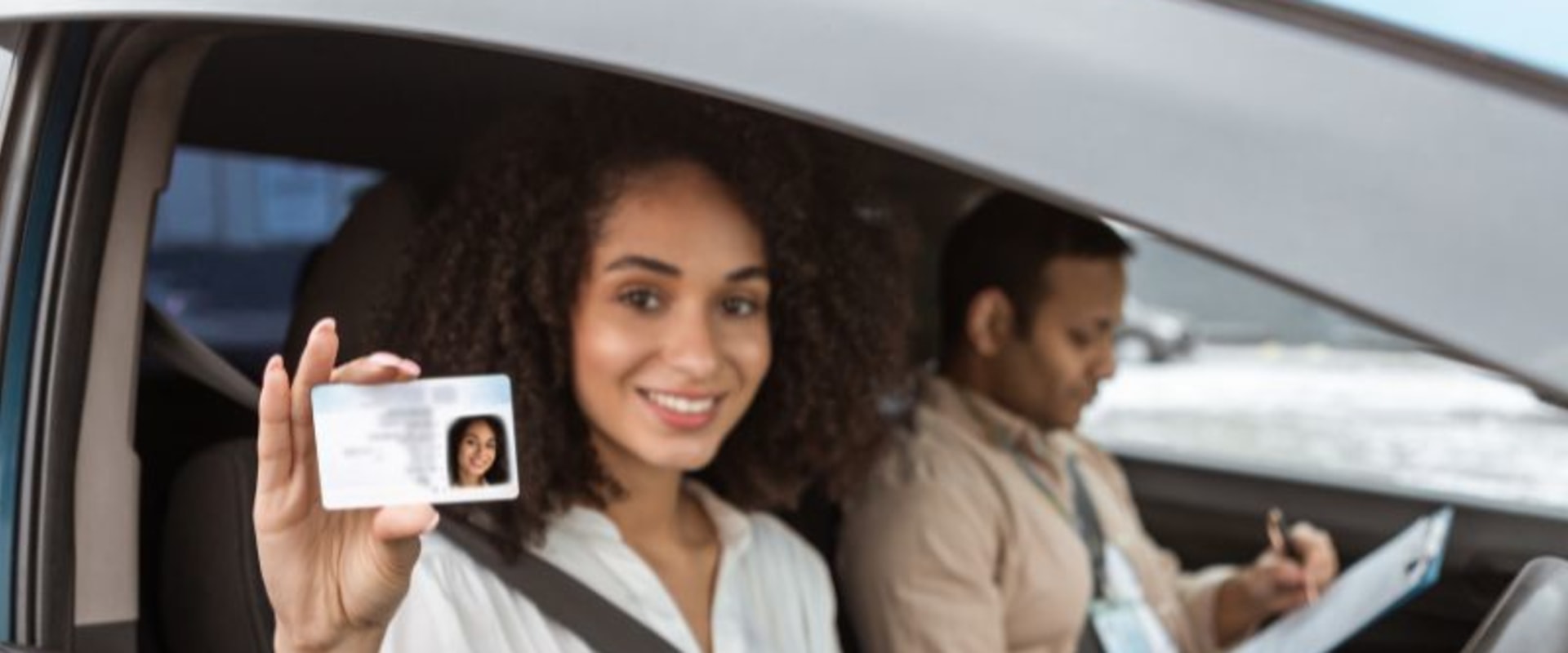
When it comes to vehicle insurance services, understanding the requirements for purchasing coverage is crucial. One of the most significant factors that can influence your ability to obtain insurance is the type of driver's license you hold. In the United States, insurance companies often require policyholders to possess a valid driver's license, as it serves as proof of your legal ability to operate a vehicle. However, the specific requirements can vary depending on the state and the insurer. For instance, some insurance providers may only offer policies to individuals with a full, unrestricted driver's license, while others might extend options to those with a learner's permit or provisional license.
This distinction is essential for potential policyholders to understand, as it can affect not only eligibility but also the rates and coverage options available. Additionally, having a clean driving record associated with your license can further enhance your chances of securing favorable insurance terms. As you navigate the world of vehicle insurance services, it's important to consider how your licensing status impacts your options. Whether you're a new driver looking to purchase your first policy or an experienced motorist seeking better rates, being informed about the relationship between your driver's license and insurance eligibility will empower you to make better decisions. In the following sections, we will delve deeper into how different types of licenses affect insurance purchases and what you need to know to ensure you're adequately covered.
The Basics of Vehicle Insurance Services
Understanding vehicle insurance services is essential for any vehicle owner.These services provide financial protection against physical damage or bodily injury resulting from traffic collisions and against liability that could also arise from incidents in a vehicle.
What is Vehicle Insurance?
Vehicle insurance is a contract between the vehicle owner and an insurance company, where the owner pays a premium in exchange for coverage against specific risks. This contract outlines the terms of coverage, including what is included and excluded, as well as the limits of liability.Types of Vehicle Insurance
- Liability Coverage: This is the most basic form of vehicle insurance, which covers damages to other people’s property and medical expenses if you are at fault in an accident.
- Collision Coverage: This type covers damages to your own vehicle resulting from a collision with another vehicle or object, regardless of fault.
- Comprehensive Coverage: This protects against non-collision-related incidents such as theft, vandalism, or natural disasters.
- Personal Injury Protection (PIP): PIP covers medical expenses for you and your passengers, regardless of who is at fault in an accident.
- Uninsured/Underinsured Motorist Coverage: This provides protection if you are involved in an accident with a driver who does not have insurance or does not have enough coverage to pay for damages.
Types of Driver's Licenses and Their Impact on Insurance Eligibility
When it comes to purchasing vehicle insurance services, the type of driver's license you hold can significantly influence your eligibility and the rates you may be offered.Understanding the different types of licenses is crucial for anyone looking to secure insurance coverage.
Types of Driver's Licenses
- Learner's Permit: This is typically issued to new drivers who are still in the process of learning to drive. While some insurance companies may allow coverage under a learner's permit, it often comes with restrictions and higher premiums due to the inexperience of the driver.
- Provisional License: A provisional or intermediate license allows drivers to operate a vehicle with certain limitations, such as restrictions on nighttime driving or the number of passengers. Insurance providers may view this type of license as a step towards full licensure, but it can still result in higher rates compared to fully licensed drivers.
- Full (Unrestricted) License: A full driver's license indicates that the driver has completed all necessary testing and is legally allowed to operate a vehicle without restrictions. This is generally viewed favorably by insurance companies, often resulting in lower premiums and more comprehensive coverage options.
Impact of License Type on Insurance Eligibility
The type of driver's license you possess can affect not only your eligibility for vehicle insurance services but also the cost of your premiums.For instance, drivers with a learner's permit or provisional license may face higher rates due to perceived risk factors associated with less experienced drivers.Moreover, some insurers may require that all drivers listed on a policy hold a valid driver's license. If you are planning to add a driver with a learner's permit to your policy, it's essential to check with your insurance provider about their specific requirements and any potential limitations on coverage.In summary, holding a valid driver's license is crucial for obtaining vehicle insurance services. The type of license not only determines eligibility but also plays a significant role in shaping your insurance costs and coverage options. Always consult with your insurance agent to understand how your specific situation may impact your policy.
State-Specific Regulations Regarding Driver's Licenses and Insurance
When it comes to vehicle insurance services, understanding the state-specific regulations regarding driver's licenses is crucial.Each state in the U.S. has its own set of laws that dictate the requirements for obtaining a driver's license and how these relate to purchasing vehicle insurance.
State Regulations on Driver's Licenses
- Some states require a valid driver's license to purchase vehicle insurance, while others may allow individuals with a learner's permit to obtain coverage.
- In states like California and Texas, having a valid driver's license is essential for securing insurance, as insurers need to verify your driving history.
- Conversely, states such as New Hampshire do not mandate insurance coverage, but if you choose to purchase it, you must still have a valid license.
Licensing Requirements by State
Licensing requirements can also vary significantly:
- New York: Requires proof of a valid driver's license and may ask for additional documentation such as your driving record.
- Florida: Allows individuals with a learner's permit to purchase insurance, but they must be accompanied by a licensed driver when operating a vehicle.
- Illinois: Insurers will typically require a valid driver's license for all policyholders, ensuring that they can assess risk accurately.
Frequently Asked Questions About Driver's Licenses and Vehicle Insurance Services
When it comes to vehicle insurance services, many potential customers have questions regarding the necessity of a specific type of driver's license.Here are some frequently asked questions that can help clarify these concerns:
- Do I need a valid driver's license to purchase vehicle insurance?
Yes, most insurance companies require you to have a valid driver's license to purchase vehicle insurance services. This is because the license verifies your ability to legally operate a vehicle. - Can I get vehicle insurance without a driver's license?
While it is possible to obtain vehicle insurance services without a driver's license, it may be limited. Some insurers offer policies for non-drivers, but these typically cover only specific situations, such as insuring a vehicle that someone else will drive. - What if my driver's license is expired?
An expired driver's license may complicate your ability to purchase vehicle insurance services. Most insurers will require you to renew your license before they can provide coverage. - Do different types of licenses affect my insurance rates?
Yes, the type of driver's license you hold can impact your insurance rates.For example, commercial licenses may lead to different coverage options and pricing compared to standard personal vehicle licenses.
Conclusion: Key Takeaways on Driver's License Requirements for Vehicle Insurance Services
In summary, understanding the relationship between your driver's license and vehicle insurance services is crucial for ensuring you are adequately covered while driving. Here are the key takeaways:- Driver's License Requirement: To purchase vehicle insurance services, you typically need a valid driver's license. This serves as proof that you are legally permitted to operate a vehicle.
- State Regulations: Each state has its own regulations regarding driver's licenses and insurance requirements. It's essential to familiarize yourself with your state's laws to avoid any legal complications.
- Types of Licenses: Different types of licenses (e.g., learner's permit, full license) may affect your ability to obtain certain types of coverage.
For instance, some insurers may not provide coverage for drivers with only a learner's permit.
- Insurance Premiums: Your driving record, which is linked to your driver's license, can significantly impact your insurance premiums. A clean record may lead to lower rates, while violations can increase costs.
- Alternative Options: If you do not have a traditional driver's license, some insurers may offer options for non-licensed drivers, but these can come with limitations and higher premiums.